GEO vs SEO
The Work Barely Differs. The Evidence Does.
Most of what gets sold as GEO is the work you were already doing, and Google’s own documentation says there is nothing special required for its AI features — we quote it in full on our AI search page rather than repeat it here. The real difference is not tactical. It is evidential. A ranking is a position in a list. An AI answer is not a list, and two people asking the same question do not get the same one.

SEO vs GEO
A position you can hold · A mention you cannot rank
- What success looks like
A position in a list, the same list everybody sees.Being mentioned in an answer - Is the result the same for two people?
Broadly, allowing for location and personalisation.No. And not twice for one person - Can it be ranked?
Yes. That is what a results page is.No. There is no list to be third in - Can a change be attributed?
Reasonably. You moved, and you can see when.Rarely, and never precisely - What arrives in your analytics
A visit, with a referrer you recognise.A visit, if the reader clicks at all - What the work actually is
Being genuinely worth citing, and reachable.The same, honestly - What it can be sold as
A number that goes up or down.A promise, mostly
The last row is the uncomfortable one and it is why this page exists. An answer that is regenerated for each asker cannot have a rank, whoever is reporting on it — that is a property of the format, not a gap somebody will close with a better dashboard. So when a proposal quotes you a GEO score, a share of voice, or a position in AI results, the useful question is not whether the number is good. It is what was counted, on how many samples, and whether anybody could reproduce it.
Measure what arrives, not what you were told
Some things here are genuinely measurable and worth watching. People do arrive from assistants, and those visits land in your analytics with a referrer like any other traffic — you can count them, see what they read, and see whether they turn into anything. That is a real number about real people and it belongs in your reporting. So does a rise in people searching for your name directly, which is often what being cited actually produces.
What is not measurable is the middle of the funnel that GEO reporting tends to be built on. Whether you were cited depends on who asked, how they phrased it, what they had asked before, and the day. You can check by asking — and you should, occasionally, because it is informative — but a handful of manual checks is an anecdote, not a metric, and treating it as a trend line gives you a chart made of noise.
This is where we give up an easy sale, and we would rather say it plainly: we do not sell a GEO retainer with a number attached, because we cannot produce the number honestly. Every figure on this site has to trace back to Search Console, a measurement anybody can reproduce, or our own property. A citation-rate score does not, and inventing a fourth category for it would make every other number here worth less.
The genuinely useful news is that the work is not in dispute. Being clear about what you do, being specific enough to be worth quoting, having pages a machine can actually fetch and parse, and being an organisation with a real reputation — that helps in a list of ten links and it helps in a generated answer. You do not need a separate discipline for it. You need the ordinary one done properly, and reporting that admits which parts are evidence and which are impressions.
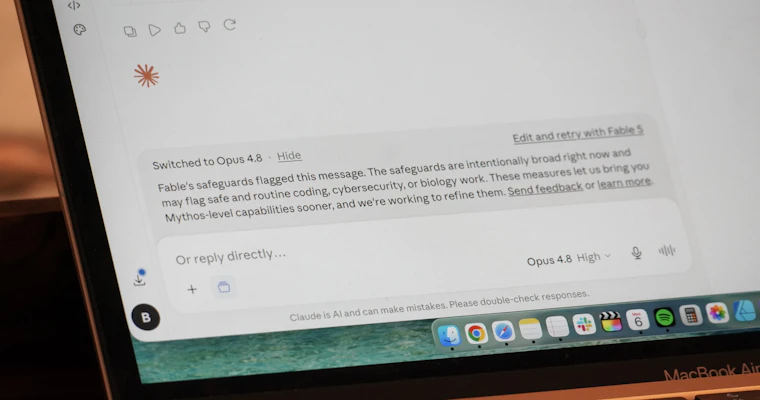
An answer regenerated for each asker cannot have a rank. That is the format, not a gap somebody will close with a better dashboard.
What to actually watch and what to ignore
The test for every line in a report: could somebody else reproduce it?
Watch: visits from assistants
They arrive with a referrer and behave like any other traffic. Countable, reproducible, and about real people rather than a sampled guess.
Watch: people searching your name
Being cited often shows up here first. It is in Search Console, it is yours, and it is one of the few honest signals that visibility moved.
Watch: whether pages can be fetched
Unglamorous and decisive. Content that renders only after scripts run, or sits behind an interstitial, is content no engine reliably reads.
Ignore: a GEO score
Ask what was counted and on how many samples before anything else. If nobody can reproduce it, it is not a measurement, whatever it is charted as.
Ignore: position in AI results
There is no list, so there is no position. A number describing one cannot be describing what it claims to.
Check by hand, occasionally
Ask the questions your buyers ask and see what comes back. Genuinely informative, genuinely not a trend line. Treat it as reading, not reporting.
What people ask about this choice
Is GEO a different discipline from SEO?
Tactically, barely — and Google publishes that no special optimisation is required for its AI features, which we quote in full on our AI search optimisation page. What genuinely differs is evidence: search gives you a position you can hold and report, and a generated answer does not, because it is rebuilt for each person asking.
Why can GEO not be measured properly?
Because ranking requires a list and an AI answer is not one. Whether you appear depends on who asked, how they phrased it, what they asked before, and the day. That is a property of the format rather than a gap a better tool will close, so no dashboard can turn it into a reliable position.
What can we actually measure?
Visits arriving from assistants, which land in your analytics with a referrer like any other traffic, and increases in people searching for your name directly — which is often what a citation really produces. Both are countable and reproducible, which is the test that matters.
Should we buy a GEO package?
Ask what the reported number counts, on how many samples, and whether somebody else could reproduce it. If the answer is vague, you are buying a promise. We do not sell one with a number attached, because we could not produce that number honestly.
So is there nothing to do?
There is plenty, and it is the ordinary work done properly: be specific enough to be worth quoting, be clear about what you do, make sure pages can actually be fetched and parsed, and be an organisation with a real reputation. That helps in a list of links and in a generated answer alike.
Is checking the assistants ourselves worth it?
Yes, as reading rather than as reporting. Ask the questions your buyers ask and see what comes back — it tells you how your market is being described. Just do not chart it, because a handful of manual checks is an anecdote and charting it produces a trend line made of noise.