You Sold a Machine Once. Now You Own a Decade.
The sale takes a few months and happens once. What follows runs for ten years — parts, servicing, warranty claims, hire renewals, eventually a trade-in — and it carries a large share of the margin. Most dealers automate the sale and leave the decade running on somebody’s memory, which is why a customer whose machine is down at seven in the morning ends up ringing three numbers before finding a person.
No credit card required · 30-minute call · No obligation to sign up
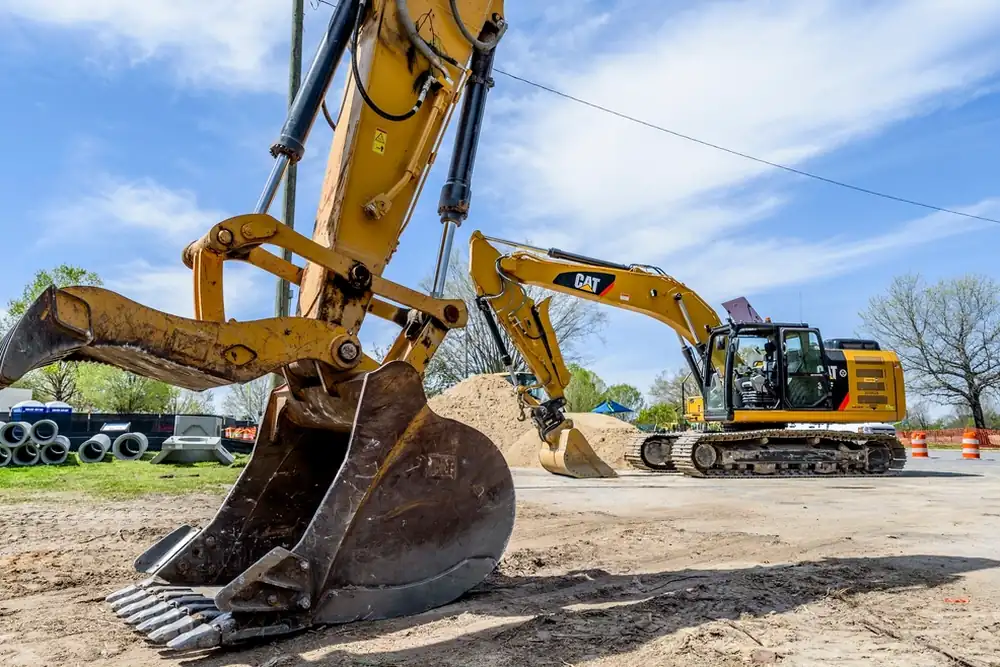
One machine, a decade of contact
Every row below repeats for every machine you have ever sold, which is why it stops being manageable by memory.
- “It is down. Can somebody come?”At 7am, and it is urgent
- Which part fits this serial numberThe question behind most calls
- Service due, by hours not monthsNobody is tracking the hours
- Warranty about to expireOn a machine you sold in 2021
- Hire contract coming to an endA renewal nobody diarised
- What was done to this machine beforeAcross engineers and years
Row two is doing more damage than it looks. “Which part fits this serial number” is the question behind a large share of your inbound calls, it has a definite correct answer, and it currently requires a person with the parts book open. Answering it accurately — from your own parts data, keyed to the actual machine — removes a whole category of interruption and sells more parts, because the barrier was never price.
We do not sell failure prediction
Predictive maintenance is the headline product in this sector and we are declining it, which deserves an explanation rather than a footnote. Predicting a failure honestly needs machine telemetry we do not have access to, and a model measured against a real history of real failures on your fleet. We cannot produce that, and a prediction nobody has scored is not a prediction — it is a guess with a graph attached.
What is genuinely buildable is less exciting and considerably more reliable: scheduling from what you already know. Service intervals by running hours rather than calendar months. Warranty expiry dates. Hire contract end dates. Inspection due dates. None of that requires predicting anything — it requires somebody keeping track, and that is exactly the sort of thing that gets dropped when the workshop is busy.
The other genuinely valuable build is history. A machine that has moved between engineers and years accumulates a story that lives in nobody’s head completely. Having what was done, when, and with which parts, retrievable in a sentence rather than a search, changes how fast the next visit goes and whether the right part is on the van.
And the urgent call deserves its own design. A customer whose machine is down does not want a chatbot; they want to know that somebody is coming and roughly when. The automation’s whole job there is to capture the machine, the location and the fault fast, get it to the right engineer, and confirm to the customer that a person has it. Anything more ambitious is worse.
- ✓No failure prediction — It needs telemetry and a scored model. We have neither.
- ✓Scheduling, not prediction — Hours, warranties, contracts, inspections. Reliable.
- ✓Parts by serial number — A definite answer to a very common question.
- ✓Machine history, retrievable — What was done, when, with which parts.
- ✓A breakdown reaches a person — Capture fast, route fast, confirm somebody is coming.
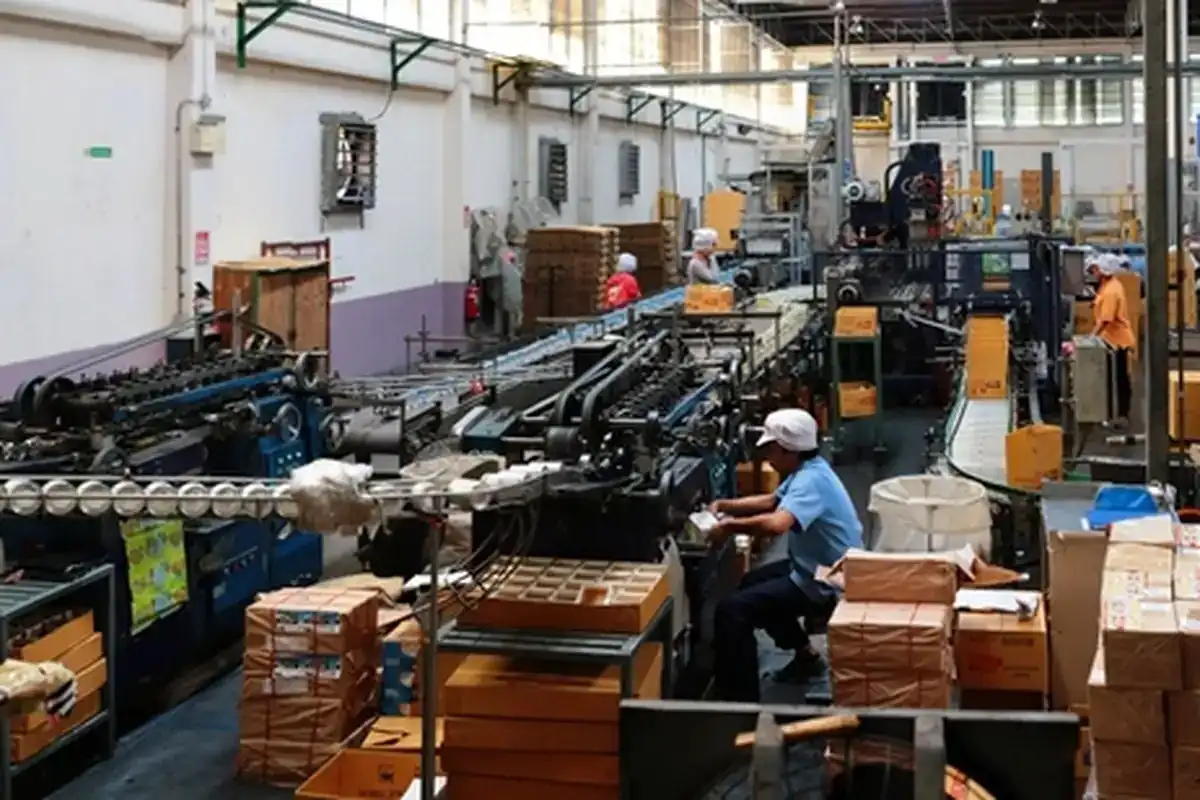
A prediction nobody has scored is not a prediction. It is a guess with a graph attached.
What we build for a dealer or hire fleet
Six builds, all after the sale, none of them predicting anything.
Parts by Serial Number
What fits this exact machine, answered from your own parts data. It removes a large slice of inbound calls and sells more parts, because the barrier was never the price — it was waiting for somebody with the book open.
Service Due by Running Hours
Tracked against hours rather than calendar months, which is how these machines actually wear. No prediction involved — just counting something nobody currently has time to count.
Warranty and Contract Expiries
Machines coming out of warranty and hire agreements approaching an end date, surfaced early enough to have a conversation rather than a surprise. Pure diary work, and it is worth real money.
Breakdown Capture, Then a Person
Machine, location and fault captured in under a minute and routed to the right engineer, with the customer told that somebody has it. Deliberately unambitious, because at seven in the morning that is the entire requirement.
The Machine’s Own History
What was done, when, by whom and with which parts — retrievable in a sentence instead of a search through years and engineers. It decides whether the right part is on the van.
Fleet Status for the Customer
For hire customers: what they have, where, until when, and what is due. Answering it before they ask removes a standing weekly interruption on both sides.
What clients say
Real clients, quoted in their own words — published with their permission.
“Ghalib’s clear guidance has helped improve our website’s SEO performance.”
“It was a pleasure working with Ghalib and his team.”
“We’re very thankful to Ghalib and his team for building a fully-functioning website for our business.”
More of them, in full, on our reviews page.
— Our Proprietary Methodology —
The Visibility Framework™, applied in Heavy Equipment
The method doesn’t change by market. What it’s pointed at does.
Audit The Hours
Where time actually goes, task by task, scored on volume, repetition and the cost of getting it wrong. Ends in a ranked blueprint with estimated hours saved — yours to keep either way.
Design The Guardrails
Before any building: what the agent may touch, where a human must approve, what happens when it is unsure, and which data is never allowed near a third-party model.
Build & Evaluate
One workflow at a time, in your accounts, scored against real examples from your business before it touches live work. Shipped early so it meets reality while it is still cheap to change.
Run & Improve
Monitored for cost, failures and quality drift. Models change, your business changes, and an automation nobody tends becomes a liability rather than an asset.
Honest, No-Nonsense Commitment
If the audit concludes that a task is not worth automating, we will tell you and refund the difference rather than build it anyway. And if a workflow we built does not hit the outcome we agreed in the blueprint, we keep working on it at no extra cost until it does or we take it out.
AI Automation pricing for Heavy Equipment, in GBP
Quoted in pounds once we have seen what your parts and service records look like, because that decides what is answerable. We do not sell predictive maintenance — it needs telemetry we cannot see and a model scored against your real failures, and we will not charge for a guess with a graph attached.
Parts & Capture
The two that remove calls.
- Parts answered by serial number from your data
- Breakdown capture routed to the right engineer
- No prediction of anything, at any tier
The Decade
The usual one. Adds scheduling and history.
- Everything in Parts & Capture
- Service due by running hours, not months
- Warranty and hire contract expiries surfaced early
- Optional: bundle in SEO or Website Development
Fleet-Wide
Multiple depots and hire fleets.
- Machine history retrievable across depots
- Customer-facing fleet status
- Evaluated against your own service records before going live
- Optional: combine all 4 services for full-funnel growth
Every plan is scoped around your market — start with a free first look and we’ll recommend what fits, priced in GBP.
What you’re actually committing to
Most agencies keep this in a contract you only see after the sales call. We would rather you knew now, because it is the question everyone asks second — right after the price.
- The audit is credited, not sunkPay for the audit, and the full amount comes off the build if you proceed. If you don’t, the blueprint is still yours to hand to anyone else.
- A fixed build price after the auditQuoted once we know what we are building. If it takes longer than we estimated, that is our risk — the price only moves if you change the scope.
- You own everythingAccounts, API keys, workflows, prompts, evaluation sets, logs and documentation — all in your name from day one, and still yours if we never work together again.
- Running costs are yours and visibleAPI usage is billed by the provider directly to you. We never resell tokens or mark up usage, and you see the real number.
- The retainer is month to month30 days’ notice, no exit fee. Stop it and your automations keep running — you are simply maintaining them yourself.
- Human approval is the defaultAnything customer-facing or irreversible needs a person until the evaluation data justifies otherwise, and that decision is yours to make, not ours.
These are the terms as they appear in the agreement itself — nothing here is softened for the website. The full wording lives in our terms and conditions, and you get the agreement to read before anything is signed or invoiced.
Heavy Equipment AI Automation questions, answered
Related AI Automation pages
Same service, different angle — by market, by service and by industry.
Ready to own the decade, not just the sale?
Free 30-minute call · No obligation · Response within 24 hours
Get in touch with Ghalib Ashrafi HQ
Ghalib Ashrafi takes on work for brands in six markets — the UK, USA, UAE, Saudi Arabia, Australia and Pakistan. Every enquiry gets a reply within 24 hours.