A Report Nobody Acts On Is Cheaper to Automate and Still Worthless
Automating a monthly report removes the day it took to assemble and changes nothing about whether anybody reads it or does anything differently afterwards. You have made a thing nobody used cheaper to produce. The version worth building inverts the whole idea: nothing arrives unless something actually moved, and when it does, it says what moved and what to do.
No credit card required · 30-minute call · No obligation to sign up
Six reasons the monthly report is opened and closed
None of these is fixed by producing the same report faster, which is what automating it usually means.
- Everything looks the same as last monthBecause it mostly is
- Nothing says what to doNumbers without a next step
- It arrives four weeks lateThe moment has passed
- Fourteen charts, one that mattersAnd it is on page six
- Nobody owns any of itSo nobody acts on any of it
- The interesting thing is not in itBecause nobody asked for it
The third row is the one automation genuinely fixes, and it fixes it by changing the frequency rather than the format. An anomaly flagged the day it happens is worth more than the same anomaly explained beautifully four weeks later. Most reporting value is lost in the delay, not in the presentation, and that is the piece worth paying for.
The best report is the one that mostly does not arrive
Set the thresholds, then send nothing unless one is crossed. A message when traffic drops more than a set amount, when a form stops converting, when a supplier misses a delivery window, when costs move outside a band. In a normal week nothing arrives, and that silence is real information rather than an absence of it. It also means that when something does arrive, people read it, because it has never cried wolf.
That requires agreeing thresholds with somebody who deals with the consequences, and it is a genuine conversation rather than a technical setting. Too tight and it becomes noise that gets muted within a fortnight, which is the standard failure. Too loose and it misses what mattered. Starting deliberately loose and tightening once is better than the reverse, because an alert system nobody trusts is very hard to rehabilitate.
The periodic report still has a job, and it is a smaller one: a short summary for people who need to know things are being watched. One page, the handful of numbers that decide something, and what changed since last time. If it takes longer than two minutes to read, the parts nobody reads should be removed rather than automated.
And where AI genuinely helps is the sentence, not the chart. Turning "these four things moved" into "this moved because that happened, and here is what to check" is real work that a person would otherwise do badly at month-end. The chart was never the hard part — explaining it to somebody who was not looking was.
- ✓Send nothing unless something moved — Silence becomes information rather than absence.
- ✓Agree thresholds with whoever cares — A conversation, not a technical setting.
- ✓Start loose, tighten once — An alert system nobody trusts is hard to rehabilitate.
- ✓Two minutes, or cut it — Do not automate the parts nobody reads.
- ✓AI writes the sentence, not the chart — Explaining it was always the hard part.
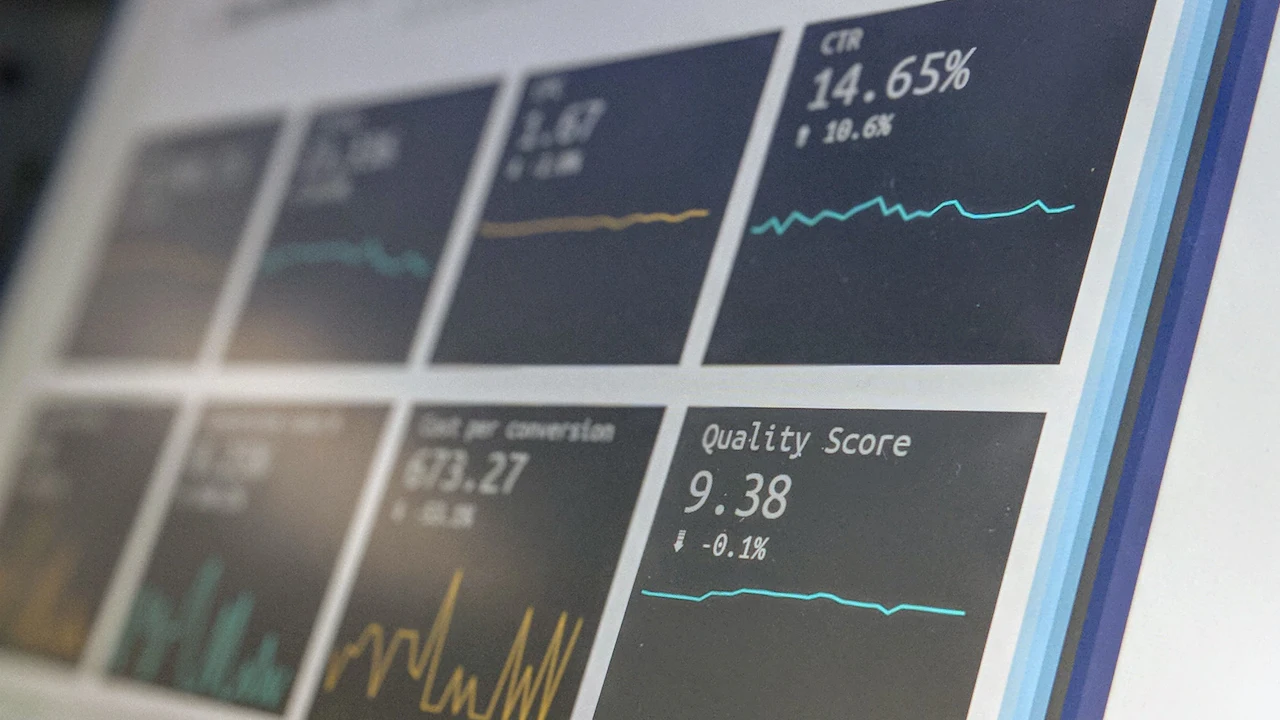
You have made a thing nobody used cheaper to produce. That is the usual outcome of automating a report.
What we build instead of a monthly PDF
Six things, and the first one deletes reports rather than automating them.
Find the Reports to Delete
The ones nobody has acted on in a year. Deleting a report beats automating it, and this is regularly the most valuable half hour of the project.
Thresholds, Agreed With a Person
What counts as a move worth telling somebody about, decided by whoever handles the consequence. Deliberately loose to begin with, tightened once it has proven honest.
Anomalies Flagged Same-Day
The day it happens rather than four weeks later, which is where most reporting value is lost. Frequency matters more than format here.
A Sentence, Not Just a Number
What moved, plausibly why, and what to check. The chart was never the hard part; explaining it to somebody who was not watching was.
A Named Owner Per Alert
Somebody it reaches who can act. An alert going to a shared inbox is an alert going to nobody, and everybody assumes somebody else looked.
A Two-Minute Periodic Summary
For people who need to know it is being watched. The handful of numbers that decide something, and what changed. Anything longer gets cut rather than automated.
What clients say
Real clients, quoted in their own words — published with their permission.
“Ghalib’s clear guidance has helped improve our website’s SEO performance.”
“We’re very thankful to Ghalib and his team for building a fully-functioning website for our business.”
“It was a pleasure working with Ghalib and his team.”
More of them, in full, on our reviews page.
— Our Proprietary Methodology —
The Visibility Framework™, applied in Automated Reporting
The method doesn’t change by market. What it’s pointed at does.
Audit The Hours
Where time actually goes, task by task, scored on volume, repetition and the cost of getting it wrong. Ends in a ranked blueprint with estimated hours saved — yours to keep either way.
Design The Guardrails
Before any building: what the agent may touch, where a human must approve, what happens when it is unsure, and which data is never allowed near a third-party model.
Build & Evaluate
One workflow at a time, in your accounts, scored against real examples from your business before it touches live work. Shipped early so it meets reality while it is still cheap to change.
Run & Improve
Monitored for cost, failures and quality drift. Models change, your business changes, and an automation nobody tends becomes a liability rather than an asset.
Honest, No-Nonsense Commitment
If the audit concludes that a task is not worth automating, we will tell you and refund the difference rather than build it anyway. And if a workflow we built does not hit the outcome we agreed in the blueprint, we keep working on it at no extra cost until it does or we take it out.
AI Automation pricing for Automated Reporting, in GBP
Quoted in pounds. The first stage frequently reduces the scope rather than growing it, because a good proportion of the reports a business produces have not caused a decision in a year and should stop rather than be rebuilt.
Alerting
Nothing arrives unless it moved.
- Reports worth deleting, identified first
- Thresholds agreed with whoever acts
- A named owner per alert
Alerts & Summary
The usual one. Plus a two-minute periodic.
- Everything in Alerting
- A sentence explaining every flagged move
- Two-minute summary for the people watching
- Optional: bundle in SEO or Website Development
Multi-Source
Several systems that disagree.
- Sources reconciled before anything is reported
- Per-team thresholds and owners
- Reviewed quarterly as the business changes
- Optional: combine all 4 services for full-funnel growth
Every plan is scoped around your market — start with a free first look and we’ll recommend what fits, priced in GBP.
What you’re actually committing to
Most agencies keep this in a contract you only see after the sales call. We would rather you knew now, because it is the question everyone asks second — right after the price.
- The audit is credited, not sunkPay for the audit, and the full amount comes off the build if you proceed. If you don’t, the blueprint is still yours to hand to anyone else.
- A fixed build price after the auditQuoted once we know what we are building. If it takes longer than we estimated, that is our risk — the price only moves if you change the scope.
- You own everythingAccounts, API keys, workflows, prompts, evaluation sets, logs and documentation — all in your name from day one, and still yours if we never work together again.
- Running costs are yours and visibleAPI usage is billed by the provider directly to you. We never resell tokens or mark up usage, and you see the real number.
- The retainer is month to month30 days’ notice, no exit fee. Stop it and your automations keep running — you are simply maintaining them yourself.
- Human approval is the defaultAnything customer-facing or irreversible needs a person until the evaluation data justifies otherwise, and that decision is yours to make, not ours.
These are the terms as they appear in the agreement itself — nothing here is softened for the website. The full wording lives in our terms and conditions, and you get the agreement to read before anything is signed or invoiced.
Automated Reporting AI Automation questions, answered
Related AI Automation pages
Same service, different angle — by market, by service and by industry.
Want silence to mean something?
Free 30-minute call · No obligation · Response within 24 hours
Get in touch with Ghalib Ashrafi HQ
Ghalib Ashrafi takes on work for brands in six markets — the UK, USA, UAE, Saudi Arabia, Australia and Pakistan. Every enquiry gets a reply within 24 hours.